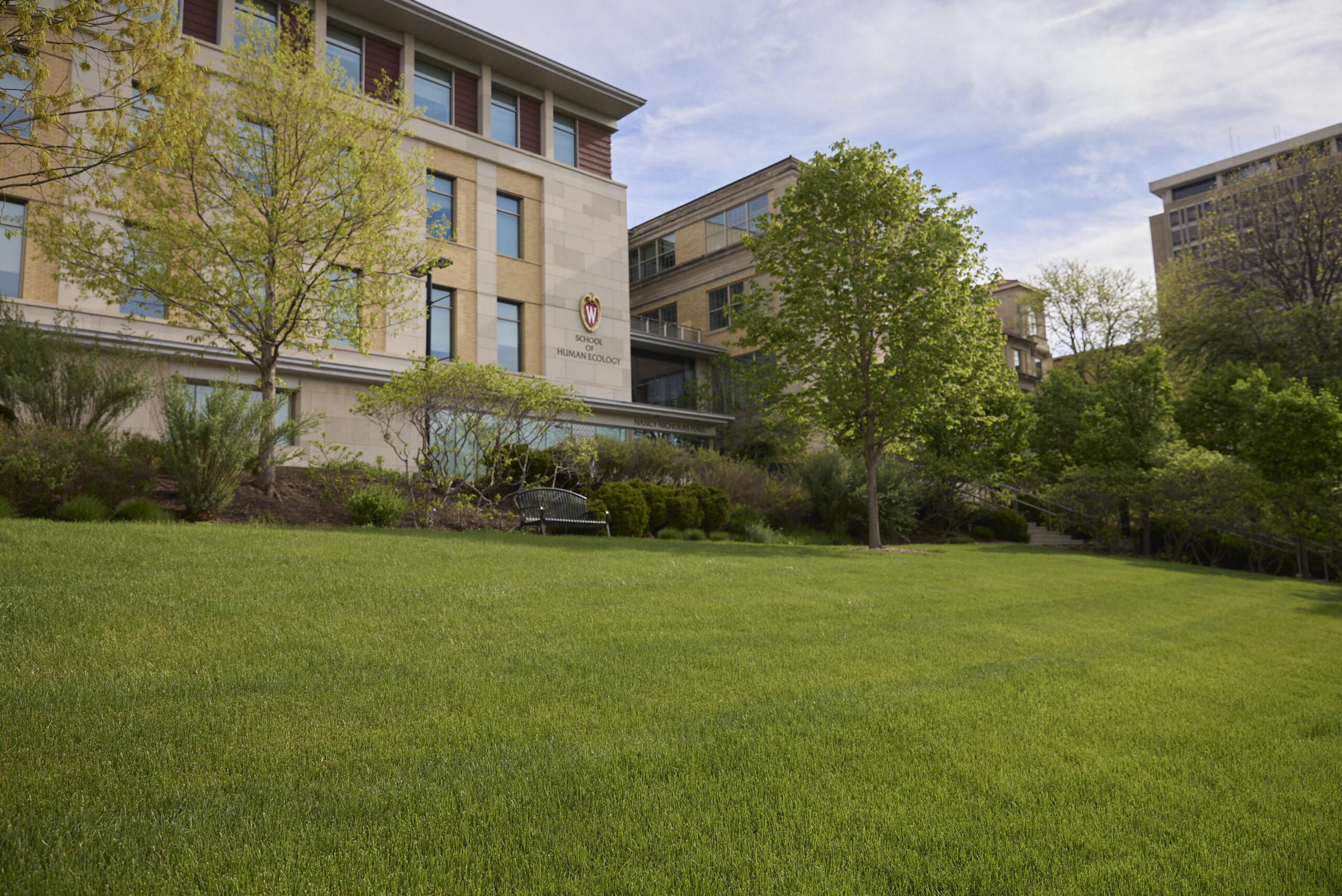
SoHE Graduate Student Spotlight
Alex Punguil Bravo Published in American Journal of Qualitative Research
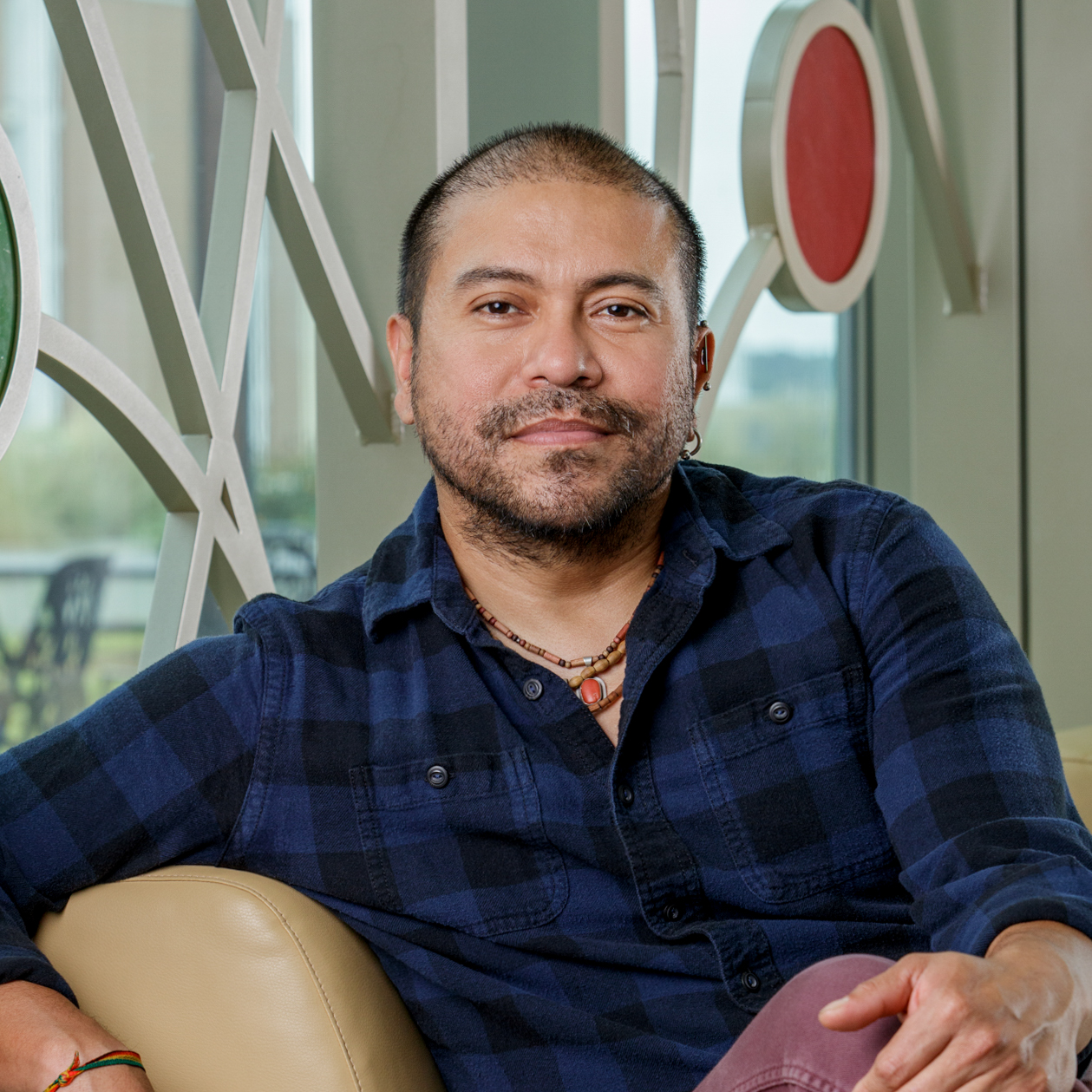
Alex Punguil Bravo, a PhD student in the Civil Society and Community Research (CSCR) graduate program, has recently had his paper, “Resilience Through Language, Culture, and Community: A Qualitative Study of Multilingual and Multicultural Families,” accepted for publication in the American Journal of Qualitative Research.
What work did you complete to achieve this accomplishment?
This article came together through a long process of qualitative research, collaborative writing, feedback, and many rounds of revision. The study focuses on multilingual and multicultural families and examines resilience through language, culture, family relationships, and community.
One thing I have learned in graduate school is that research is rarely a straight line. Some drafts changed significantly, some comments made me rethink my arguments, and some sections I was sure were finished… until they definitely were not. I was also fortunate to work with wonderful collaborators and mentors who pushed me to make the article clearer and stronger. The process reminded me that scholarship can be rigorous while also being deeply collaborative and human.
What does this accomplishment mean to you for your scholarly career?
This publication feels like a beginning, not an ending. My research explores how multilingual and Latine youth and families create meaning through language, culture, art, storytelling, and community. My current dissertation work with The Latine Comic Collective builds on these questions, using arts-based research and comics made together with bilingual youth.
Having my first article accepted gives me confidence to keep developing this research and to share it with different scholarly communities. I am especially interested in connecting qualitative research, multilingual education, Latino studies, youth studies, arts-based methods, and comics. This interdisciplinary mix can sometimes make it tricky to explain what I do! I hope my career can make room for ways of knowing and expressing that are not always centered in academic research, while producing work that matters both inside and outside the university.
What does this accomplishment mean to you personally?
My work focuses on multilingual and Latine communities, language, culture, belonging, and the ways people tell their own stories. Publishing my first article feels like a small but meaningful sign that the questions I care about have a place in academia. It also matters to me personally because graduate school has plenty of moments when you wonder, “Am I actually getting anywhere?” Sometimes the answer turns out to be yes.
I am grateful to the people who supported me along the way: mentors, collaborators, colleagues, friends, family, and the communities that continue to shape how I think about research. I see this publication not as an individual achievement, but as part of that larger network of relationships.
What drew you to your specific area of study, and why is it meaningful to you?
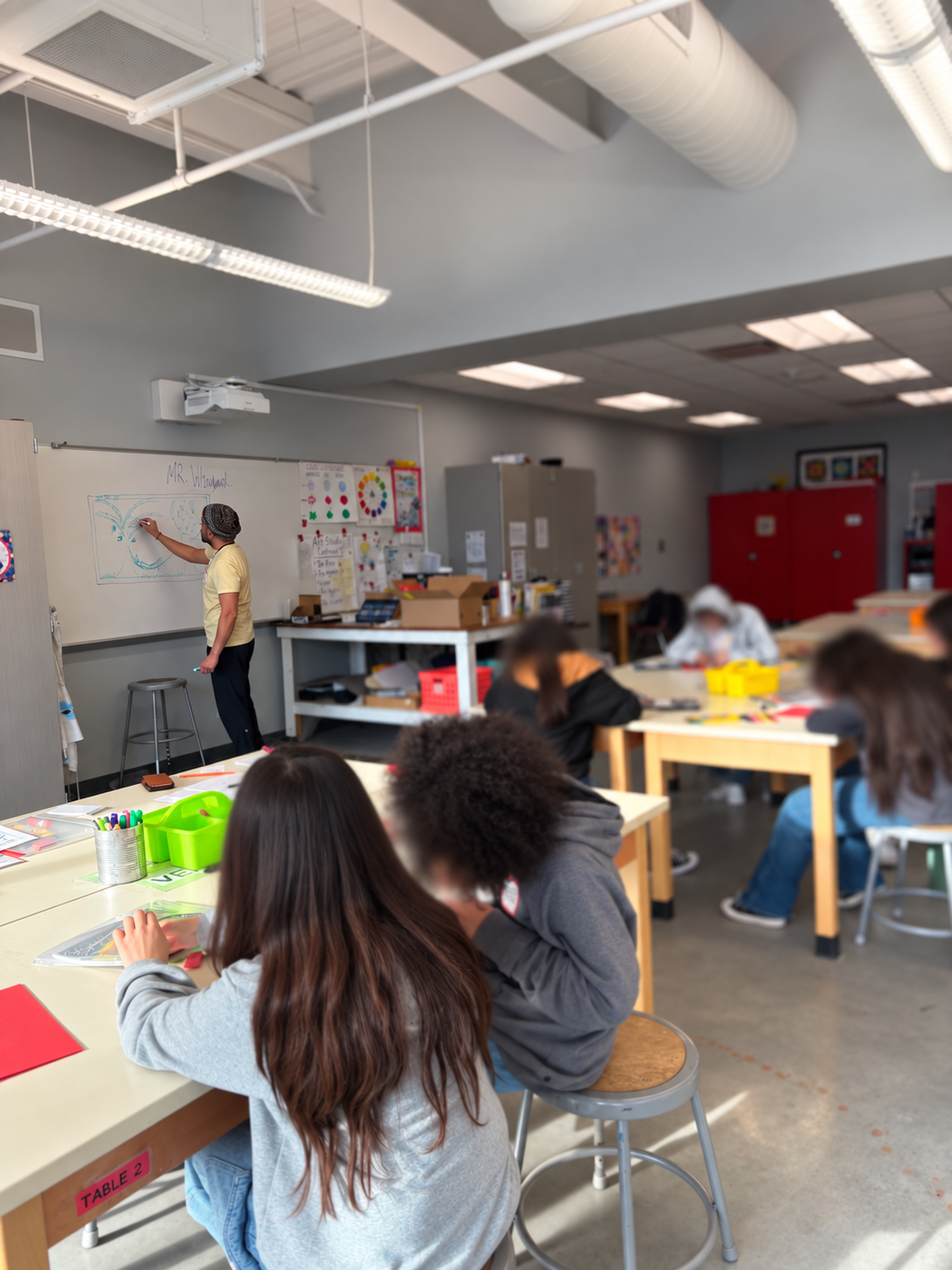
I was drawn to this work because I am a Latino who came to this country alone. Navigating the U.S. system was not easy—language, culture, and the question of where I belonged all made it harder. This led to a question I became interested in: how do multilingual and Latino young people navigate different languages, communities, cultures, and expectations, and how do they make sense of all of that in their own ways?
Over time, I also became interested in what happens when we stop asking young people to explain everything through traditional academic language. Sometimes a drawing, a comic, a character, a joke, or even a few words in Spanish and English can communicate something that would be hard to capture in an interview or survey.
That curiosity is at the center of my dissertation and my work with The Latine Comic Collective. I get to bring together things I genuinely care about: young people, multilingualism, art, comics, storytelling, and qualitative research. Somehow I found a way to make comics part of a dissertation, so I think I chose the right field!
What impact do you hope your research will have on your field, community, or the world?
I hope my research contributes to how we think about whose knowledge counts and how young people are invited to express what they know. In my work with bilingual and Latine youth, I do not want to treat multilingualism, migration, or cultural difference as problems that need to be “fixed.” I am much more interested in what young people are already doing: the languages they move between, the stories they create, the humor they use, the worlds they imagine, and the ways they understand belonging.
I hope this work encourages educators and researchers to take creative forms of expression seriously. A comic made by a student can be funny, strange, messy, beautiful, or all four at once, while still telling us something important about how that young person experiences the world. If my research can help create educational spaces where young people feel that their languages, cultures, creativity, and stories belong, then I would consider that meaningful work.
Have you received any grants, fellowships, scholarships, or awards during your time here? If so, how did these opportunities support your research, grown, or professional development?
I have been fortunate to receive two years of support through the School of Human Ecology 1903 Graduate Research Scholars (SoHE 1903 GRS) Fellowship. I received my first year of fellowship support during the second year of my PhD, and now, in my sixth year, I am receiving my second year of support.
For me, one of the most valuable things this fellowship has provided is time. Graduate school involves constantly balancing research, teaching, writing, work, and life. During my second year, that time helped me grow into the program and develop as a scholar. Now, several years later, the fellowship is supporting me at a very different—and exciting—stage of the PhD.
This year, it is giving me the space to focus on analyzing and writing my dissertation, developing publications, presenting my research, and preparing for what comes after the PhD. I am especially grateful to have this support now, because I can dedicate more of my energy to actually doing the work instead of constantly trying to figure out when I will find time to do it!
More than anything, receiving this fellowship at two very different moments in my PhD has given me something incredibly valuable: time and space to grow as a scholar and, now, to focus on finishing this dissertation strong.
Is there anything else you would like to talk about? Anything else you would like for us to know that wasn’t already asked about?
One thing I would add is that my path through graduate school has not always been a straight line—and I think I am grateful for that. My work has taken me across qualitative research, multilingualism, Latino studies, education, youth studies, arts-based research, and, somehow, comics!
One of the things I have valued most at UW–Madison is having the space to follow questions that genuinely interest me, even when I did not know exactly where they would lead. That journey eventually brought me to working with bilingual youth through The Latine Comic Collective and to a dissertation that looks very different from what I probably imagined when I started my PhD.
As I enter this final stage of the program, I am excited (and a little terrified!) about what comes next. But I am also grateful that I am leaving with a much clearer sense of the kind of scholar, teacher, and collaborator I want to be—and with many more questions than when I arrived, which I am beginning to think is actually the point.
Want to read more student spotlights? Curious about this featured student’s graduate program? Click either button to the right to read or learn more!