
Human Development & Family Studies PhD
Welcome to the page for the Human Ecology PhD – Human Development & Family Studies! The Human Ecology PhD is housed within the School of Human Ecology and broadly aims to understand how humans interact with their lived environment. In the Human Development & Family Studies named option, scholars do so by studying individuals and families at each stage of development, from birth until death.
The Human Ecology PhD – Human Development & Family Studies is among the top of its kind nationally, providing students with opportunities for advanced interdisciplinary study, research, and outreach. Faculty in the Department of Human Development & Family Studies have a rich breadth and depth of research interests, professional connections, and expertise from which graduate students benefit via mentorship.
Get to Know the Department
Our Principles of Graduate Training
We encourage scholarship that takes into account the larger social and cultural contexts in which people live and develop, including community, social class, ethnicity, historical change, and public policy.
We believe graduate training is most effective when students are able to pursue research and outreach tailored to their individual interests and aspirations. A chance to work closely with world-class faculty offers opportunities to co-author scholarly articles, present at conferences and professional workshops, collaborate on research and evaluation projects, and engage with community groups and policy makers to impact social change.
The Wisconsin Idea of transferring knowledge into real-world solutions facing today’s individuals, families, and communities is central to our program. Many students work closely with policy and community, both locally and nationally, to gather, disseminate, and apply scientific knowledge.
Department Affiliations
Students in the HDFS program can take advantage of the department’s many affiliated programs and Centers, which include the UW Child Development Lab, Center for Financial Security, the Center for Community and Nonprofit Studies, the Waisman Center, the Institute for Research on Poverty, and the Morgridge Center for Public Service.
HDFS is also a co-sponsor of the interdisciplinary training program in Prevention Science which offers both a doctoral minor and certificate in prevention science. Finally, the department has close ties to the state Extension network which serves as an important link between campus and county-based Extension colleagues, stakeholders, partners, and the residents of Wisconsin.
HDFS Faculty
Ranked among the top programs of its kind, our department is proud to train this field’s next generation of researchers, leaders, and practitioners. HDFS faculty include interdisciplinary scholars working across research, program, and clinical capacities to address some of the most pressing questions and possibilities in our field. Click the button below to explore HDFS faculty
Coursework & Curriculum
PhD Curriculum
The PhD curriculum is designed to provide advanced training in HDFS. Whether our graduates end up in academic or applied settings, we prepare them for work that includes independent research, outreach, and teaching. Here are some key things to know about our PhD Curriculum:
Research-based master’s thesis required
Students who are admitted to the PhD program are expected to have completed a research-based master’s thesis prior to admission or to complete the requirements for our MS degree as part of their PhD curriculum. Students who apply to our PhD program with a master’s degree that does not include an empirical thesis will need to complete a pre-doctoral research project prior to taking the doctoral preliminary exam. PhD students must take a proseminar in HDFS and three courses in human development and family theory. Students choose additional HDFS graduate courses to fill out their major area of concentration.
Methodology core requirement & minor concentration
There is a methodology core requirement of one course in advanced statistics and one course in advanced research methods. These advanced methodology courses are beyond those required for the MS. In addition, all students must complete 10 credits in a minor concentration area.
Road to the PhD
Full-time students can expect at least three years of work toward the PhD after the requirements for the MS are met. Students take their preliminary exam after completing their required course work (usually at the end of their second year). This exam requires students to use their knowledge and skills regarding theory, research methodology, and the student’s substantive areas of interest. Upon completion of the preliminary exam, the student must prepare a dissertation proposal. All students are required to complete a dissertation and defend it in a final oral examination.
Individualized program emphasis
Within the PhD program, students may choose to focus on preparation for an applied career by tailoring their program to emphasize such areas as applied research, prevention science, family policy, program development and evaluation, community development, or public policy.
Methodological Orientation
Reflecting the multidisciplinary orientation of the program, faculty and students employ a wide array of methods in their work. Faculty possess expertise in areas as diverse as longitudinal modeling, community-based research, qualitative research, program evaluation, observational methods, survey methodology, and action research. The program explicitly values both qualitative and quantitative methods and encourages students to become proficient in both.
Courses
The program offers courses on development throughout the lifespan and across ecological settings, with topics including risk and resiliency throughout the life span, positive human development, adult development and relationships, and aging and the family. Courses that address the applications of research to practice are also part of the curriculum. To learn about our program’s required courses, see the HDFS PhD program requirements in the Graduate School Guide
Program Resources

Interested in Applying?
Impressed with what you have seen? Feeling like this program is the one for you? Then check out our admissions page to get more information on the admissions process and start an application!
Students & Alumni
Student Stories
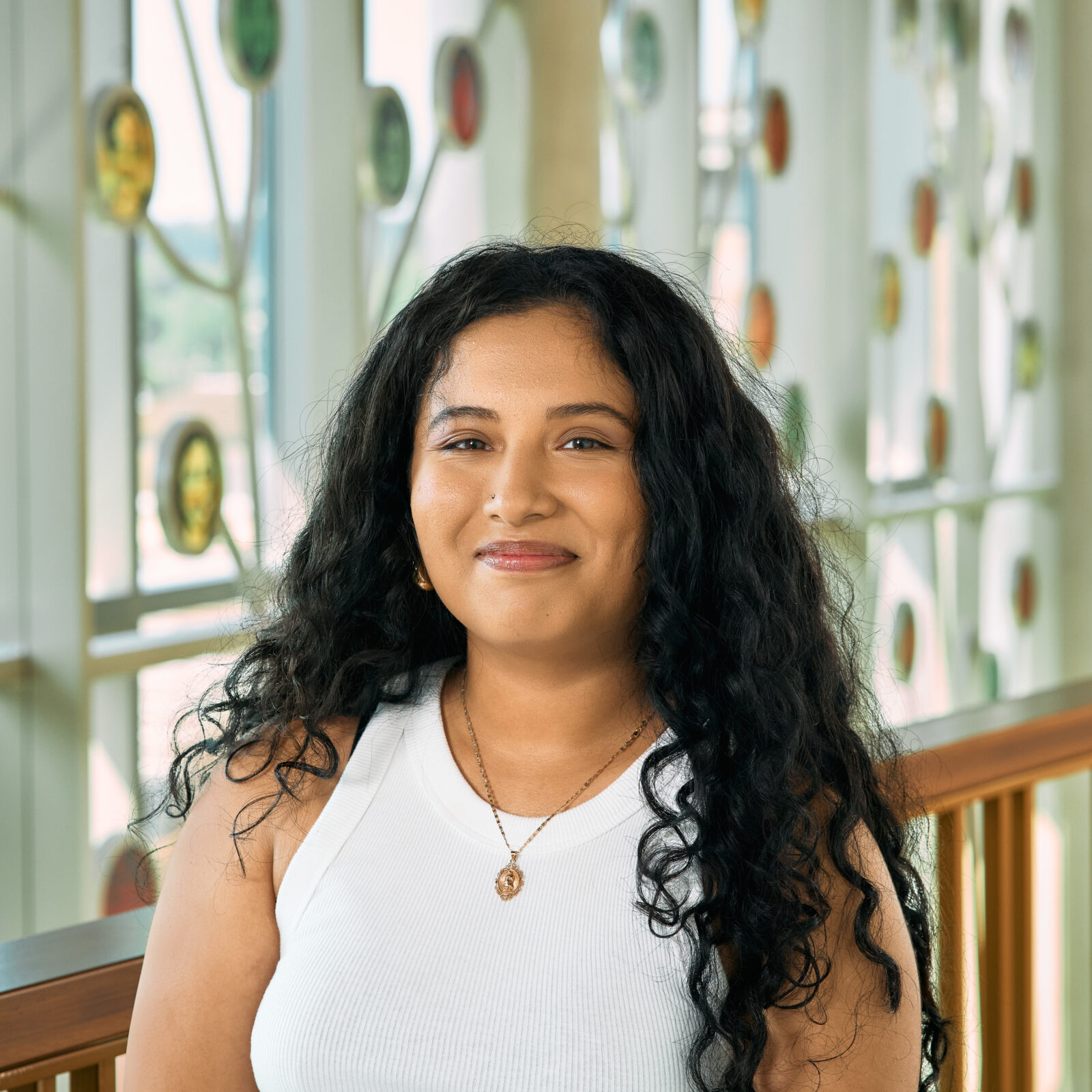
Jennifer Navarro Chavez Co-Authors Paper
Jennifer Navarro Chavez, a PhD student in the Human Development and Family Studies (HDFS) graduate program, has recently co-authored a paper with my advisor Dr. Andrea Buhler-Wassmann and collaborators from NYU, Loyola Chicago, & UCSC on Venezuelan mothers and their young children’s oral storytelling patterns to process immigration journeys to the U.S.
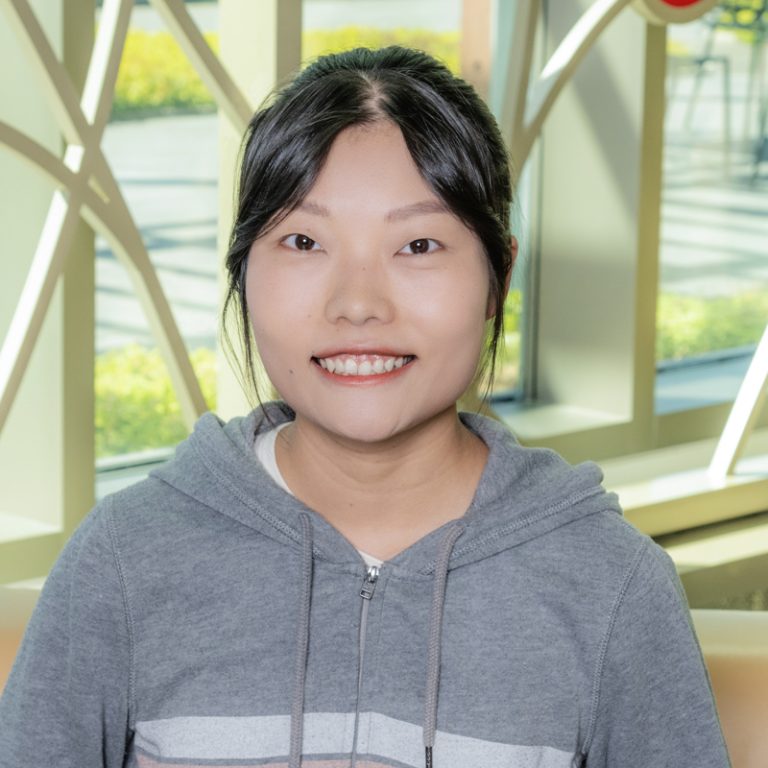
Yeqing Named 2026 NCFR Ruth Jewson Award Recipient
Yeqing Li, a PhD student in the Human Development & Family Studies (HDFS) graduate program, has recently been named the 2026 recipient of the National Council on Family Relations (NCFR) Ruth Jewson Award.

Jenny Luo Presents as First Author at NCFR Annual Conference
In November of 2025, Jenny Luo, presented her research at the 2025 National Council on Family Relations Annual Conference. She served as first author, and this was her first time completing a poster and manuscript that she was first author on!

Inés Botto Interviewed About Factors That Influence Parental Burnout
HDFS PhD student, Inés Botto, was recently interviewed by the SoHE Communications Department for a Q&A about the research results of a study she helped conduct on parental burnout.

Chandni Anandha Krishnan Named Morgridge Fellow
HDFS PhD Student, Chandni Anandha Krishnan has been named to the Morgridge Center for Public Service’s eighth cohort of Morgridge Fellows
HDFS Graduate Students
Inspired to learn more about the amazing students in the HDFS program after reading some student stories? Click the button below to explore HDFS graduate students!
Recent Alumni
Program Contacts
Graduate Program Committee Chair
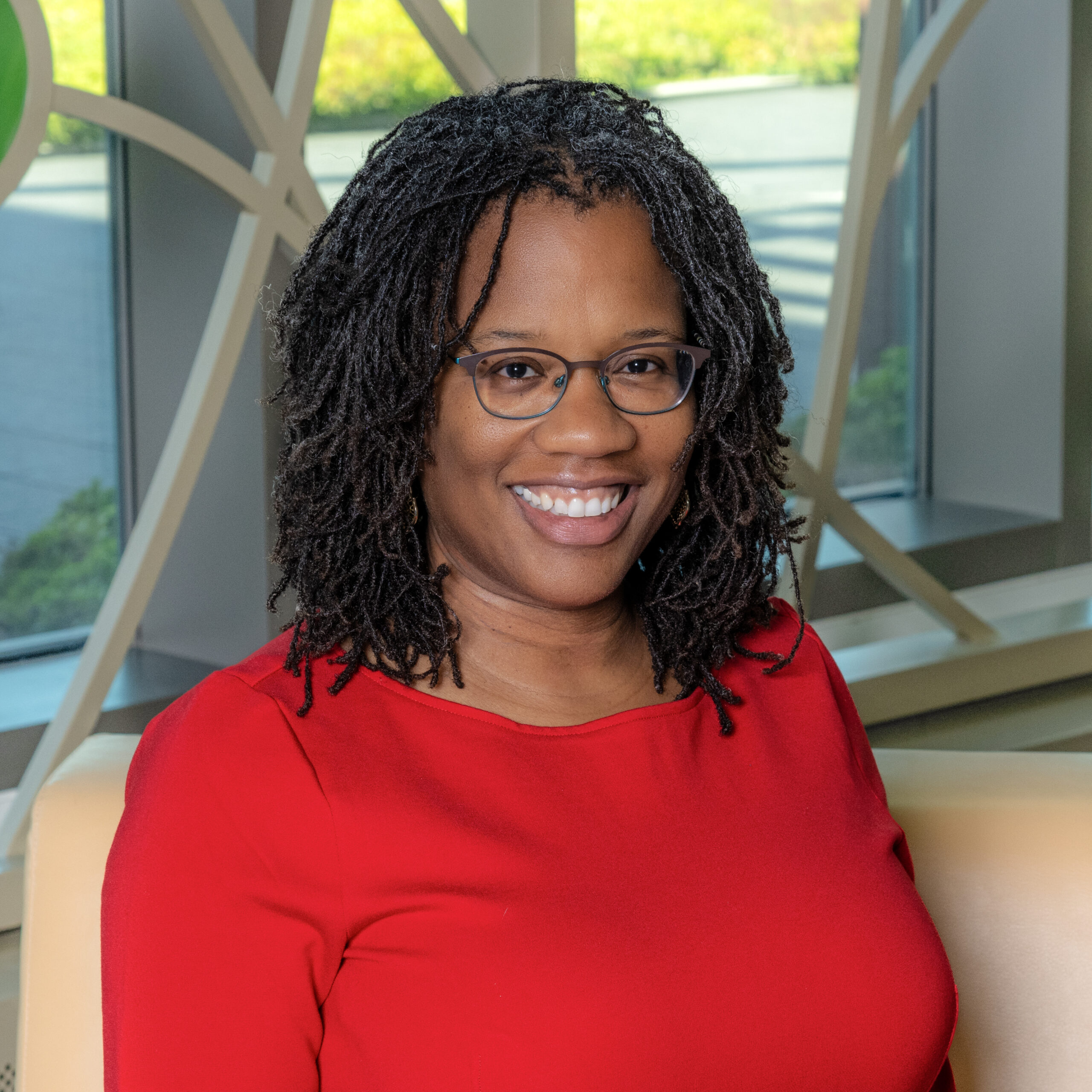
Janean Dilworth-Bart, PhD
1903 Faculty Fellow | Professor of Human Development & Family Studies
608-262-9770