SoHE Graduate Student Spotlight
Yeqing Li named the recipient of 2026 NCFR Ruth Jewson Award
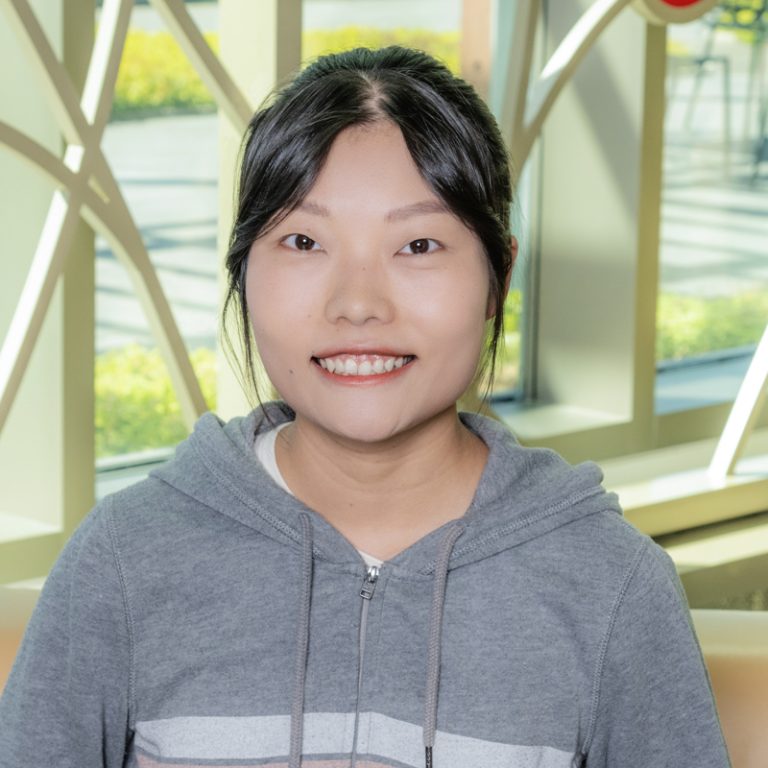
Yeqing Li, a PhD student in the Human Development & Family Studies (HDFS) graduate program, has recently been named the 2026 recipient of the National Council on Family Relations (NCFR) Ruth Jewson Award. This award, which is presented every two years, is meant to recognize and support an outstanding dissertation proposal by a doctoral student in family science.
WHAT WORK DID YOU COMPLETE TO ACHIEVE THIS AWARD?
I successfully defended my dissertation proposal in January 2026. My dissertation, titled “Family Structure Transitions in Childhood and Adolescence: Implications for Young Adult Adjustment and Father Involvement,” is being conducted under the guidance of Dr. Alvin Thomas. Using longitudinal, population-based data, my dissertation examines the complexity and diversity of children’s family contexts and their implications for development into young adulthood.
WHAT DOES THIS AWARD MEAN TO YOU FOR YOUR SCHOLARLY CAREER?
This award recognizes the potential contribution of my dissertation to the field of family science. My dissertation examines the complexity and diversity of family experiences across childhood and adolescence and their implications for young adult well-being and family relationships. Receiving this recognition from NCFR affirms the importance of these questions and encourages me to continue developing this work into a broader research agenda. It is also an exciting opportunity to share my research with and become more connected to the family science community.
WHAT DOES THIS AWARD MEAN TO YOU PERSONALLY?
Receiving this award is especially meaningful to me because my dissertation represents years of learning, exploration, and growth as a researcher. It is one of the major research projects that I have developed around my own questions and ideas, so having the proposal recognized by NCFR is incredibly encouraging. It gives me greater confidence in the work I am doing and motivates me to continue carrying the project forward.
WHAT DREW YOU TO YOUR SPECIFIC AREA OF STUDY AND WHY IS IT MEANINGFUL TO YOU?
As an aspiring human ecologist, I have long been fascinated by how human development is shaped by the social, cultural, and family contexts in which people live. When I attended the Future of Families Summer Data Workshop in 2024, I became particularly interested in family structure transitions. As patterns of marriage, cohabitation, divorce, and fertility have changed, families have become increasingly dynamic and diverse contexts for children’s development. As I read more about this topic, I began to identify questions that had not yet been fully addressed in the literature. This inspired me to conduct a pilot study using data from the Future of Families and Child Wellbeing Study and present my preliminary findings at HDFS Connect. That initial project eventually developed into my dissertation research.
WHAT IMPACT DO YOU HOPE YOUR RESEARCH WILL HAVE ON YOUR FIELD, COMMUNITY, OR THE WORLD?
This area is meaningful to me because families are not static. Children may experience changes in who lives with them and in the relationships among the important adults in their lives as they grow up. I hope my research can contribute to a more nuanced understanding of this complexity and diversity in contemporary family life and what it means for children’s development and well-being. My research aims to strengthen the field’s understanding of family structure transitions by providing a more comprehensive picture of how families change across childhood and adolescence and examining how these changes shape young adults’ well-being. By following families over a longer period of time and using rigorous methods to better understand the effects of family structure transitions, I hope to contribute evidence that reflects the complexity and diversity of contemporary family experiences. Ultimately, I hope this research can inform future programs and interventions that better support children and families as they navigate changes in household and family relationships. Rather than viewing family transitions simply as risks, I hope my work can help identify when and under what circumstances children may need additional support.
Want to read more student spotlights? Curious about this featured student’s graduate program? Click either button to the right to read or learn more!